Tree Risk Assessment in Ojai, CA

Tree Risk Assessment is a structured evaluation of tree stability, structural defects, and failure potential, and it serves Ojai homeowners with mature oaks, canyon-facing lots, and properties near structures. Our arborists inspect for decay pockets, root plate movement, and included bark using resistance drilling and visual tree assessment methods. Sundowner winds make this timely. We schedule 2026 evaluations across Ojai with written findings you can act on.

CALL US AT 805-669-2432

We want to hear from you

Send us your details and we’ll get back to you to schedule a time to talk.

Service Overview

What Our Tree Risk Assessment Service Includes

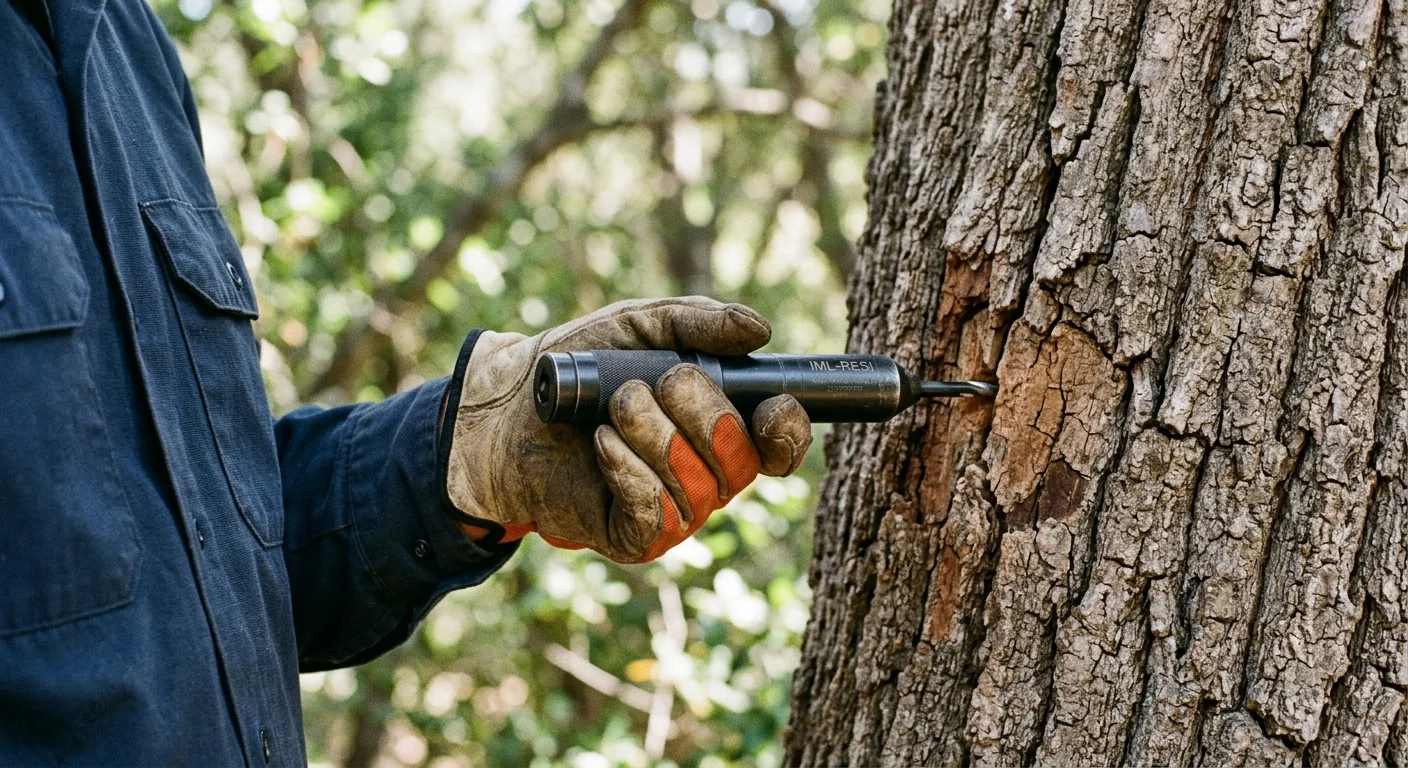
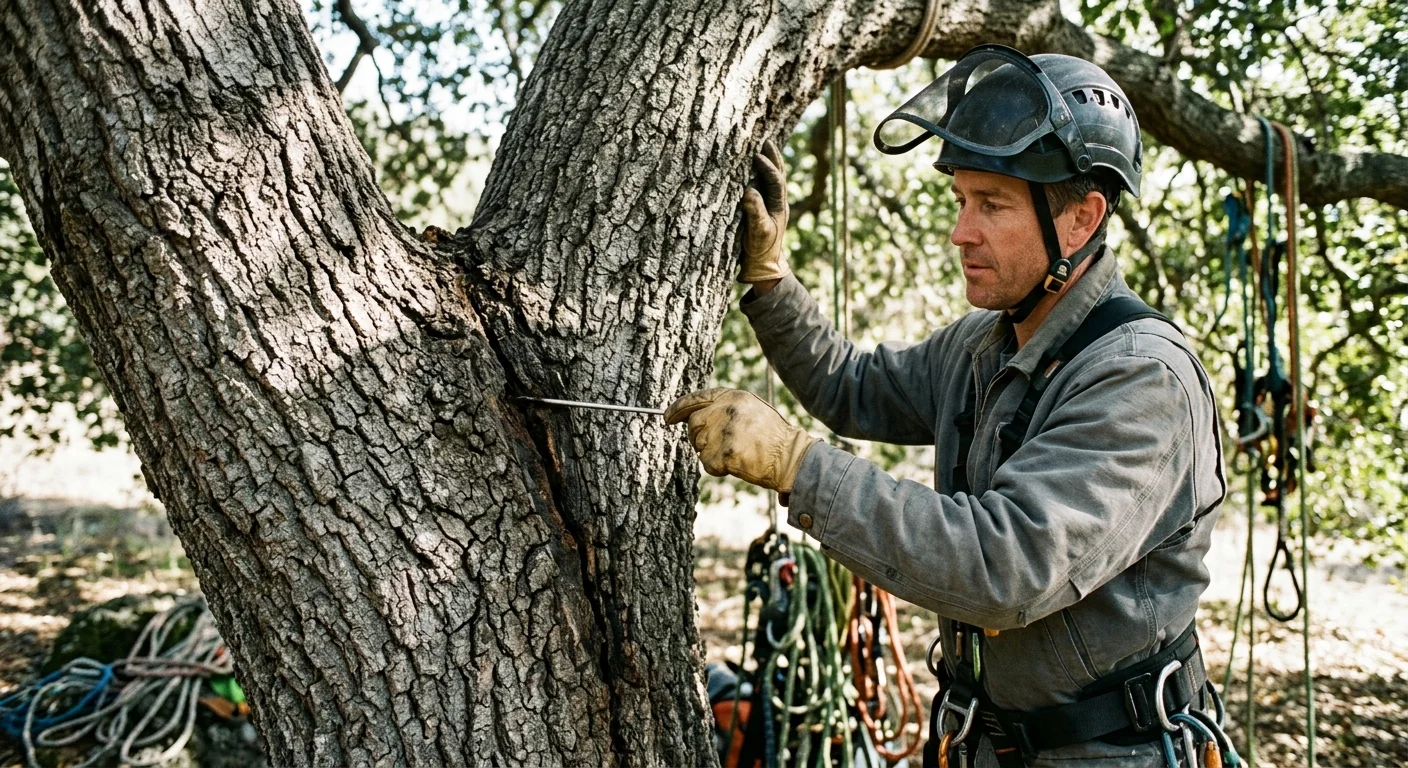
Tree Risk Assessment is the process of measuring a tree’s structural integrity, defect load, and likelihood of failure, and at Ojai Tree Services it includes documented inspection, target evaluation, and mitigation recommendations across Ojai properties. Our trained arborists begin with a full crown-to-root review, checking for decay columns, cavities, cracks, and root plate lifting. We use resistance drilling, sounding mallets, and calibrated measurements to grade each defect against industry-standard risk categories. Findings are organized by likelihood of failure, likelihood of impact, and consequence, then compiled into a written report. Residential lots, commercial parcels, and multi-unit properties each receive the same disciplined evaluation sequence. For 2026, we pair seasonal wind-load review with soil moisture checks common to Ojai’s dry summers and wet winters. Every assessment closes with a clear walkthrough of recommended actions.

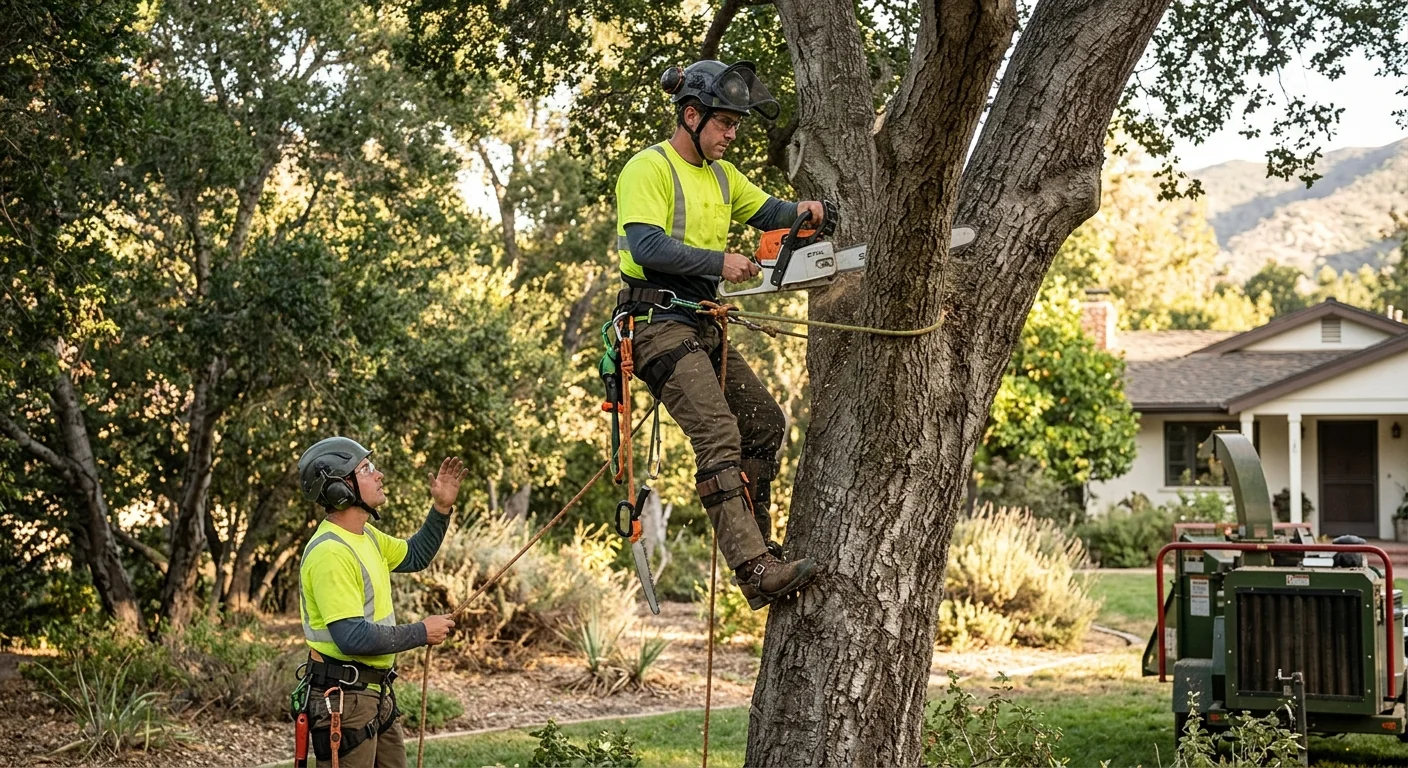
Arborist inspecting a mature oak trunk for decay during a risk assessment in Ojai

Signs You Need This Service

What Signs Mean Your Property Needs Tree Risk Assessment?

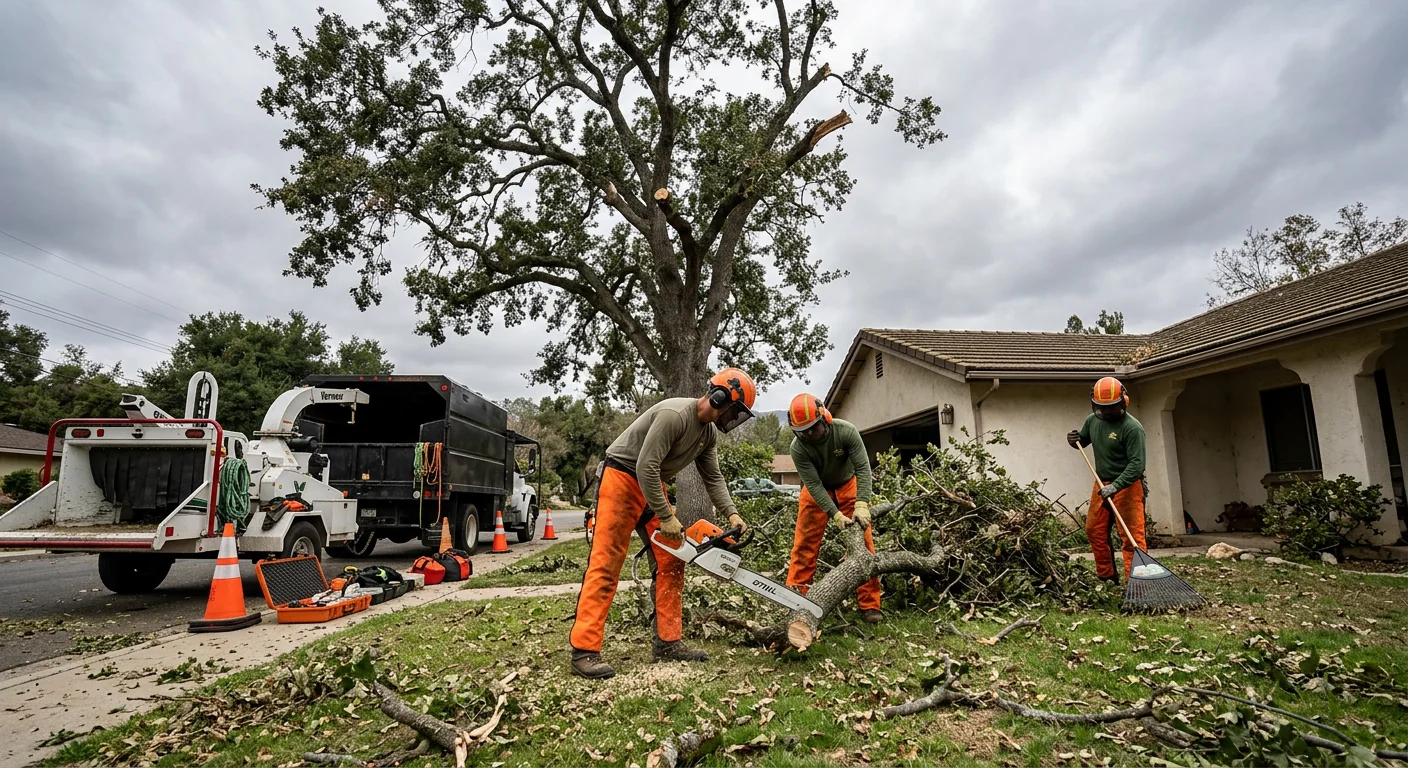
Visible defects such as leaning trunks, cracked unions, dead limbs, and lifting root plates signal that your property needs a Tree Risk Assessment. Many Ojai homeowners first notice mushroom conks at the base, hollow-sounding trunks, or included bark where two stems meet, all of which point to internal decay or weak attachment. Sudden limb drop, bark splitting, and canopy dieback often follow the sundowner winds and saturated soils that arrive during Ojai’s 2026 winter storm cycle. Trees positioned near driveways, rooflines, or fence lines raise the consequence of failure, making measured evaluation the sensible step. Small changes matter here. A trained arborist reads these symptoms, grades each defect, and separates cosmetic issues from genuine structural hazards. Tree Risk Assessment turns those uncertain warning signs into a documented plan you can act on with confidence.

Book Your Assessment 805-669-2432
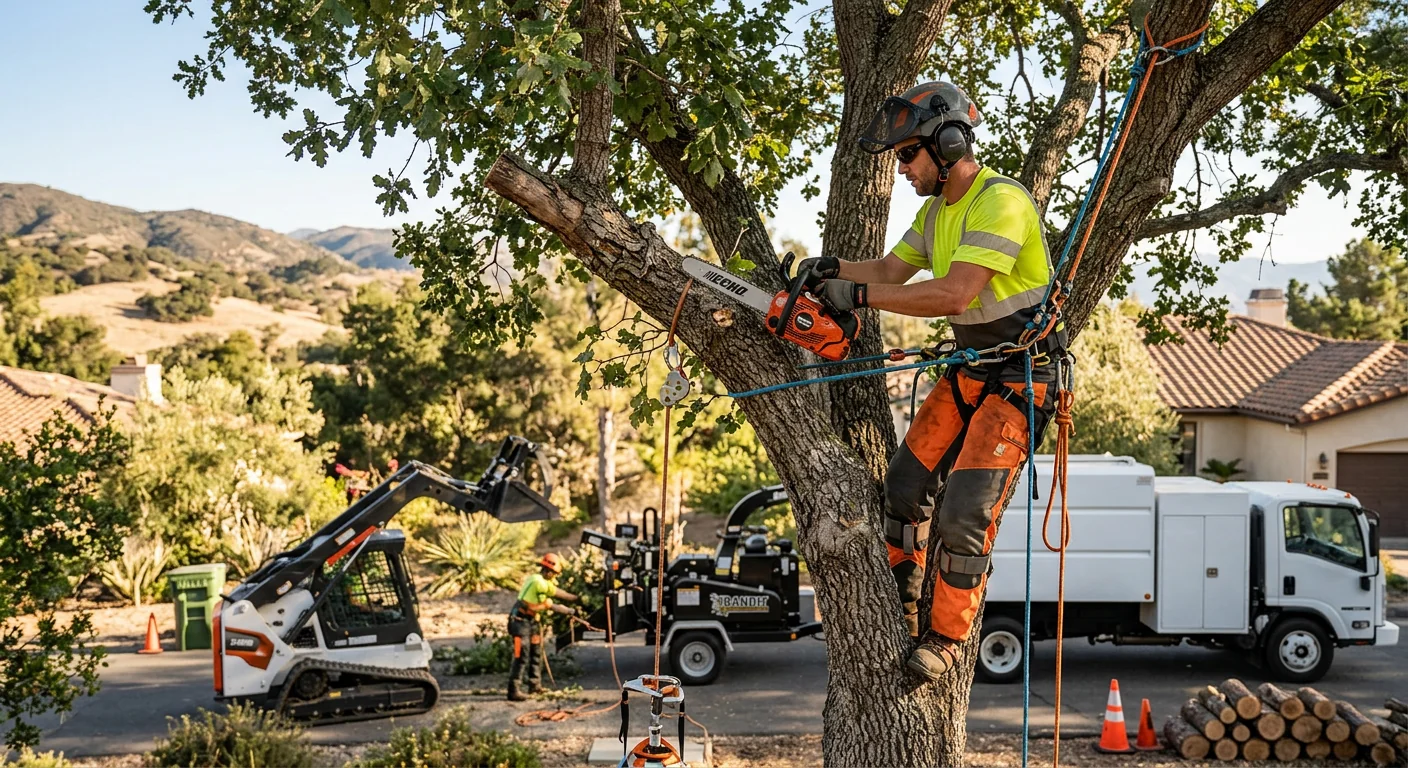
Cracked branch union and lifting root plate on a leaning tree in Ojai

Tree Risk Assessment Process

How Does Our Risk Assessment Work?

1

Site Review and Documentation

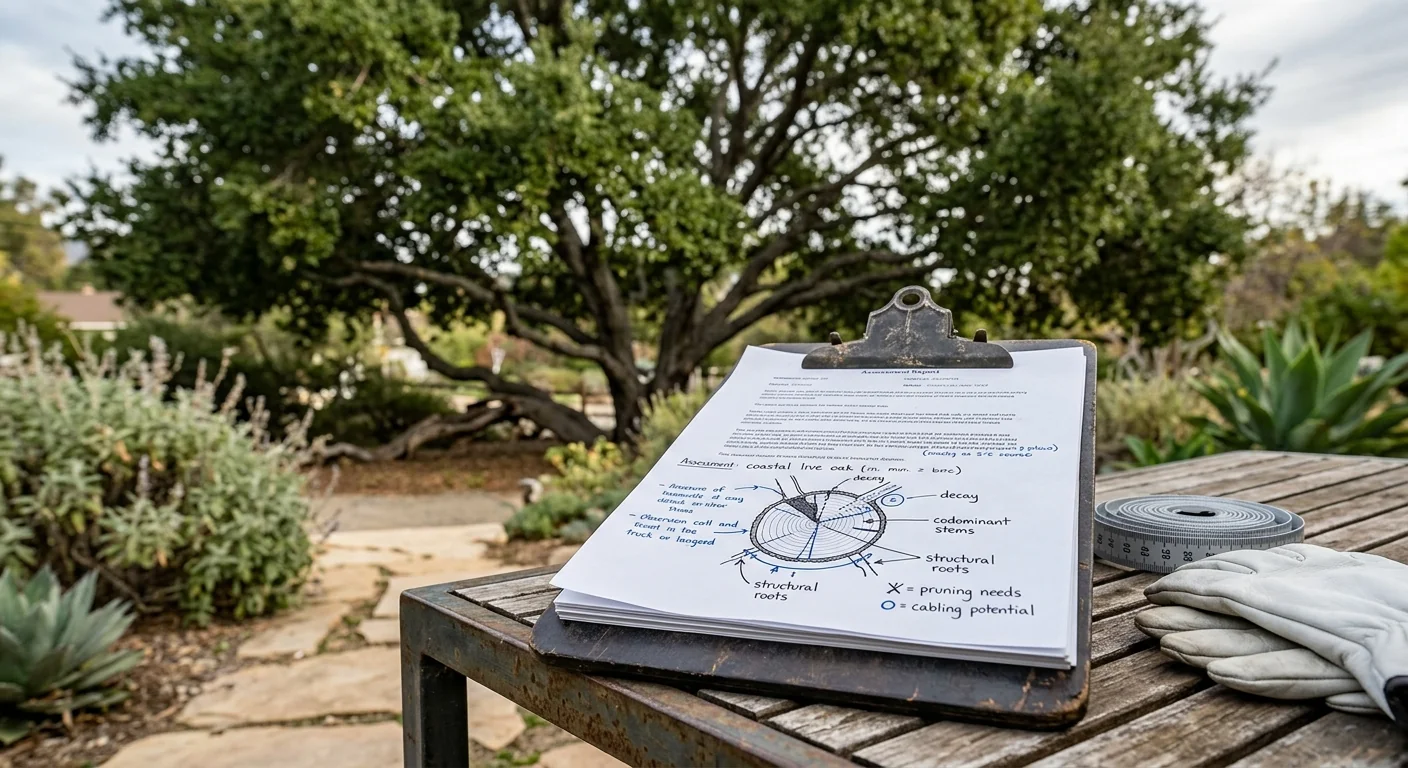
We begin by mapping each tree on the property, noting species, trunk diameter, and proximity to structures, driveways, and power lines. Measurements are recorded in writing so nothing is estimated from memory. This baseline guides every later step.

2

Visual and Structural Inspection

Our trained technicians examine the root collar, trunk, union points, and canopy for decay, cavities, cracks, and lean. We check for fungal growth, deadwood, and included bark that often signals internal weakness. Each finding is photographed for the record.

3

Advanced Diagnostics When Needed

For trees with hidden defects, we apply resistance drilling or sounding to gauge internal soundness without unnecessary cutting. These tools confirm whether decay has reached load-bearing wood. Diagnostics are used selectively and only where visual signs warrant closer study.

4

Risk Rating and Analysis

Each tree receives a documented rating based on likelihood of failure, direction of fall, and the value of nearby targets. Ojai’s dry summers and winter storm winds factor directly into this analysis. Ratings follow industry-standard evaluation criteria.

5

Written Report and Recommendations

You receive a clear written report outlining findings, risk levels, and recommended actions such as pruning, cabling, or removal. We review the report with you on-site and answer questions before any work is scheduled. Everything is organized for your records.

How Much Does Tree Risk Assessment Cost in Ojai?

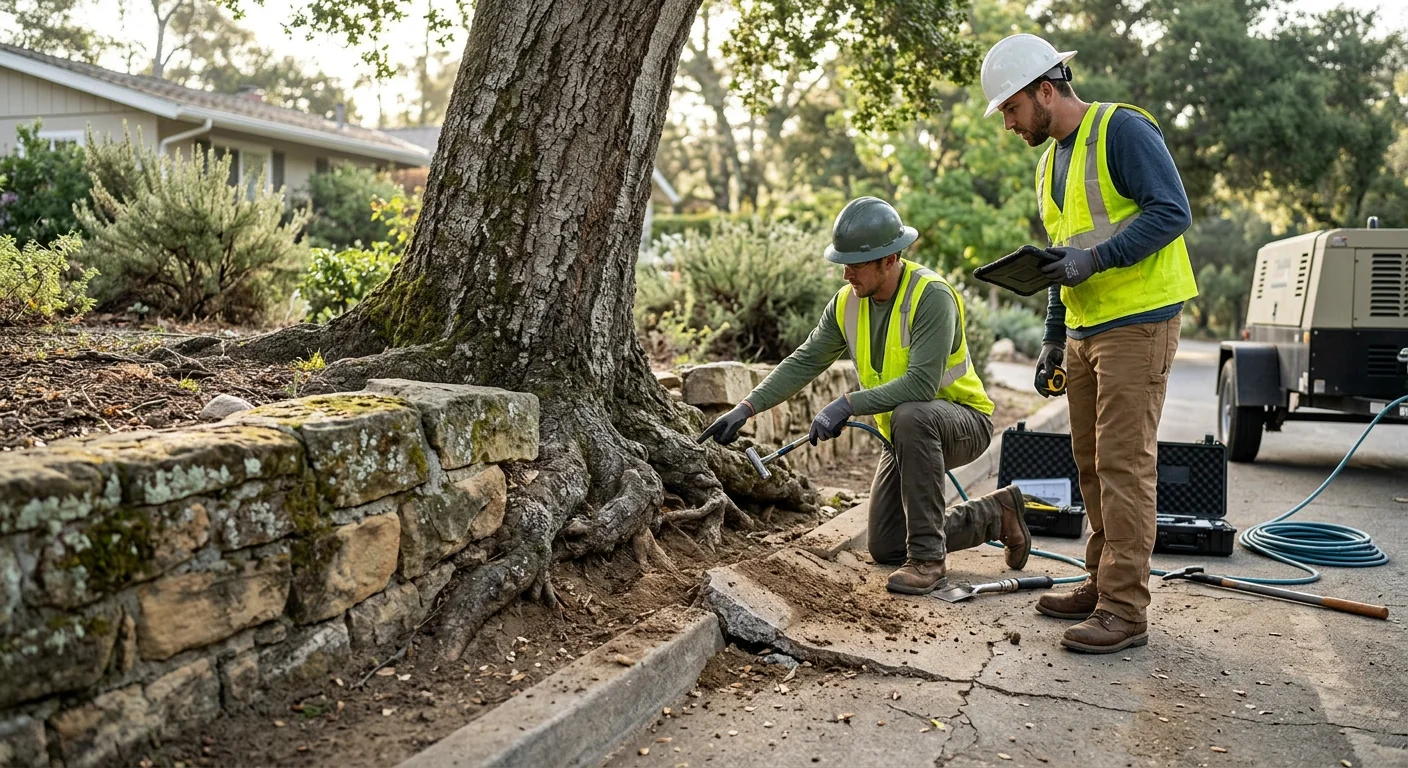
Tree Risk Assessment pricing in Ojai depends primarily on the number of trees inspected, tree size and species, site access, and whether advanced diagnostics like resistance drilling are required. Each factor is measured during the visit, not guessed. Larger canopies and mature oaks generally take longer to evaluate than smaller ornamentals. Several details shape the final figure. Trees near structures, driveways, or power lines require closer target analysis and detailed documentation. Difficult terrain, steep grades, or dense brush that limits root collar access can add inspection time. Properties with multiple specimens usually receive a per-tree rate that reflects the total scope. When internal decay is suspected, diagnostic tools add a measurable but transparent line item. Exact pricing always requires an on-site assessment, since no two Ojai properties present the same conditions in 2026. We provide free written estimates that itemize each cost before any inspection begins, so you know the scope in advance.

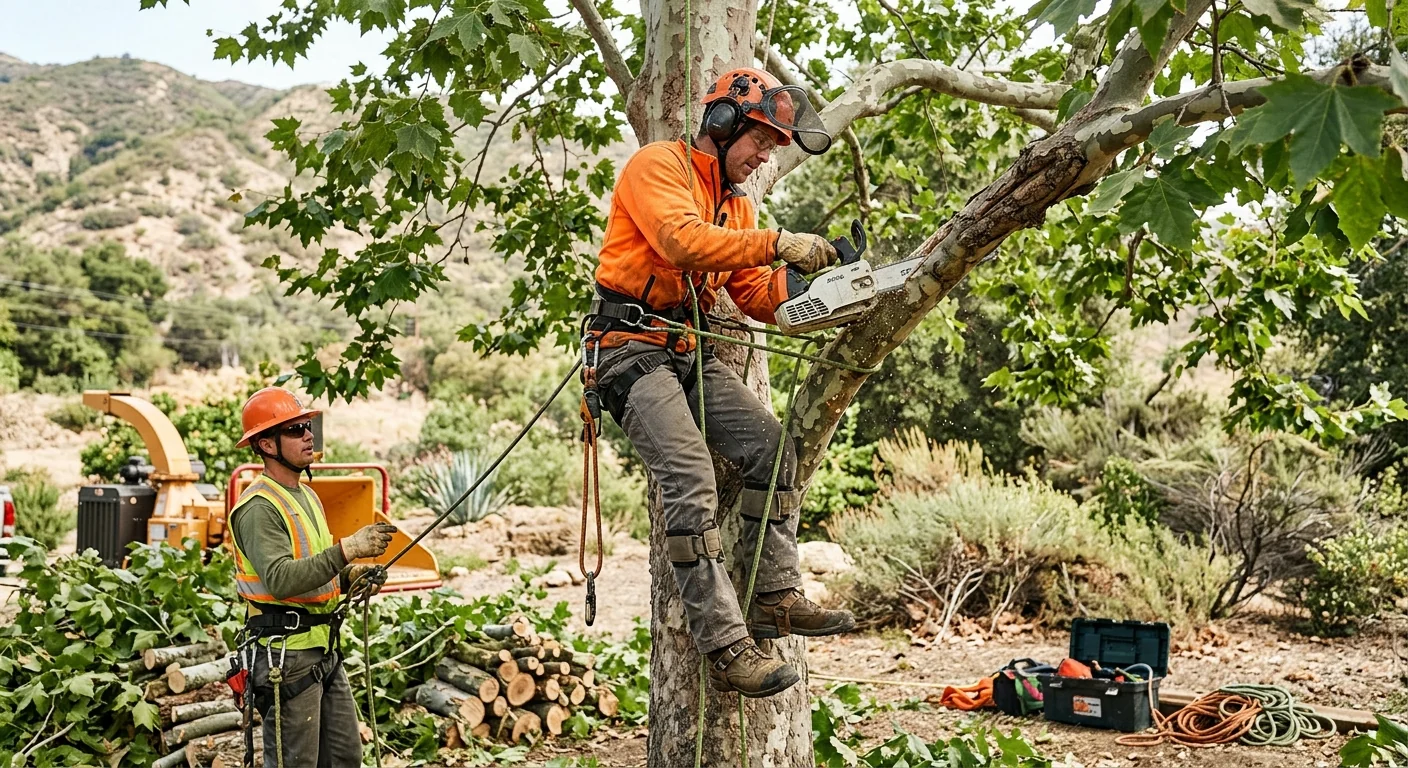
Arborist inspecting a mature oak trunk during a tree risk assessment in Ojai

Why Do Ojai Homeowners Trust Us for Tree Risk Assessment?

Call Us: 805-669-2432
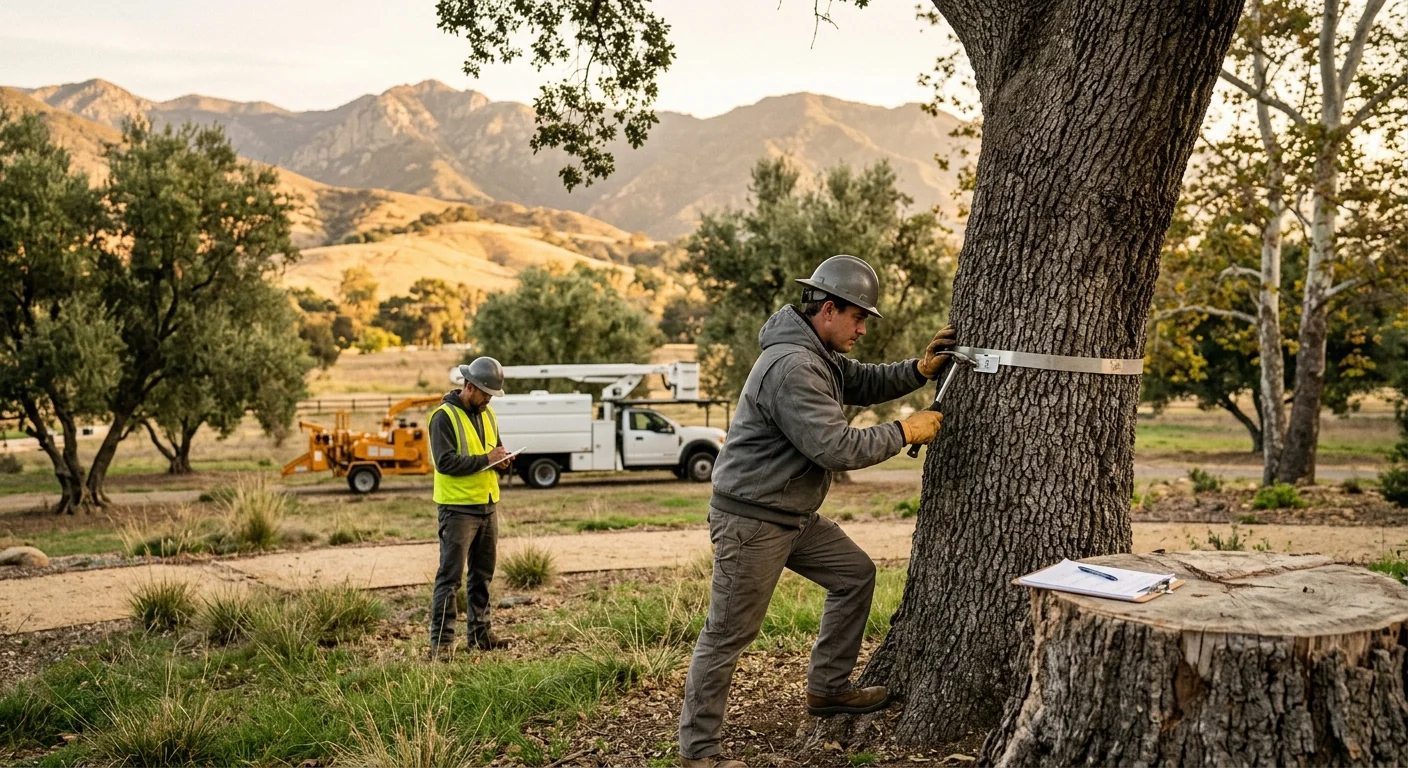
Technician recording measurements and risk ratings during a tree evaluation in Ojai

Focused Tree Risk Assessment Advice. We match recommendations to your actual property conditions instead of using a one-size-fits-all package.

Clear Communication. You know what is being installed, why it matters, and how to maintain it after the visit.

Local Follow-Through. Our team supports homeowners and businesses in Ojai, CA before, during, and after the job.

Recent Tree Risk Assessment Jobs

Recent Tree Risk Assessment Projects in Ojai in 2026

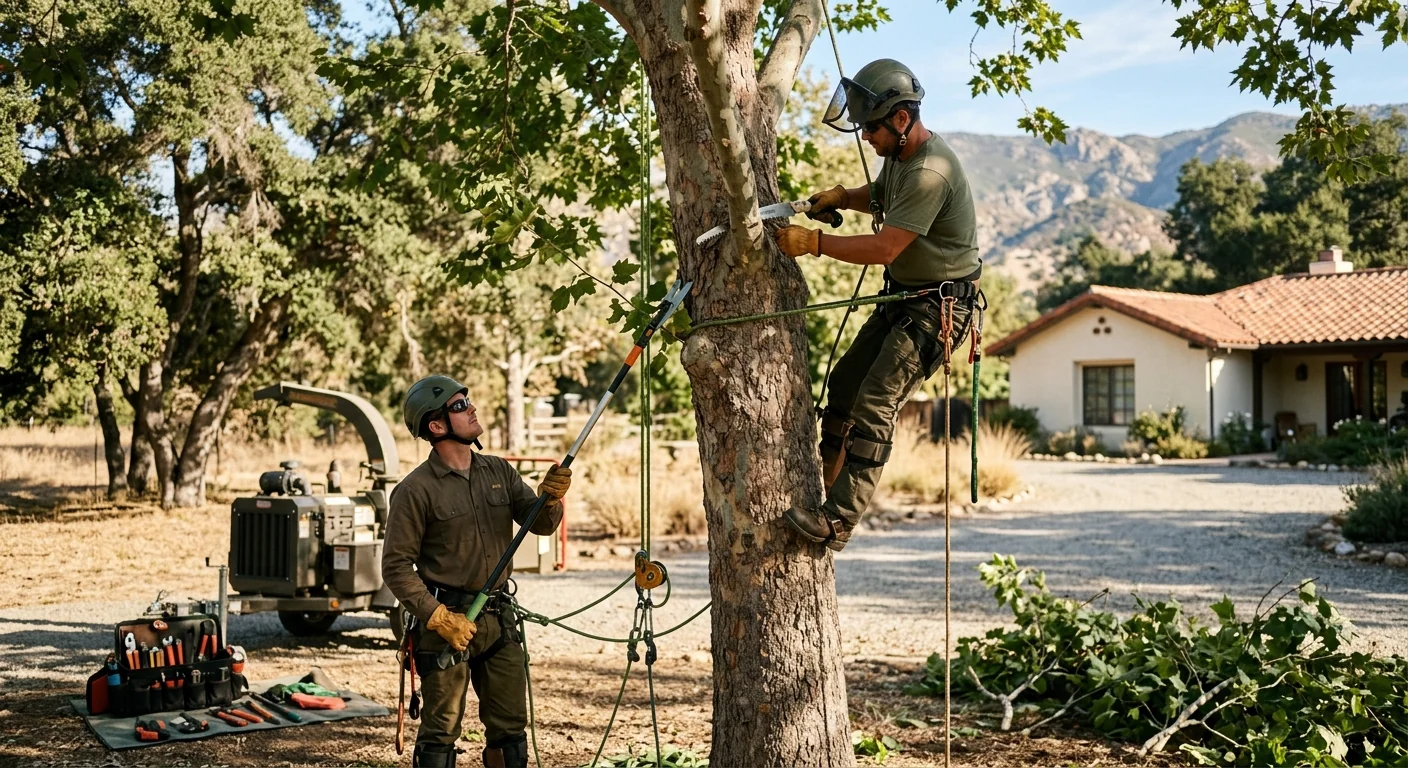
Across Ojai this 2026, our tree risk assessments have covered residential lots, hillside properties, orchard edges, and older estates with mature canopy. Each evaluation begins with a systematic ground inspection, followed by targeted use of resistance drilling and sounding mallets to check for internal decay, cavities, and compromised load paths. Our trained technicians document trunk lean, root plate condition, canopy weight distribution, and defect indicators using standardized rating methods so findings stay consistent from site to site. We measure clearances, note target zones near structures, and map likely failure points before recommending any corrective work. Ojai’s coastal-influenced winds and seasonal drought stress shape how we read each tree, and every report is built around measurable observations rather than guesswork. The result is a clear, organized assessment homeowners can actually use.

Tree Risk Assessment FAQs for Ojai Homeowners

These answers cover common tree risk assessment questions from Ojai customers in 2026, including scheduling, what an evaluation includes, how to prepare, cost factors, and local conditions that affect our findings.

Scheduling a tree risk assessment starts with a phone call or email to describe the trees and any visible concerns like lean, cracks, or dead limbs. We set a site visit where a trained technician performs a ground inspection, records defect indicators, and confirms the scope before assigning a standardized risk rating. Sharing photos ahead of time helps us prepare the right tools for the visit.

A tree risk assessment includes a systematic inspection of the trunk, root plate, canopy, and branch unions, along with a documented risk rating for each tree evaluated. Depending on conditions, we use tools such as a sounding mallet or resistance drilling to check for internal decay and reduced load-bearing wood. The finished report lists defects, target zones, and recommended corrective steps with measurements.

Preparing for the assessment mainly involves clearing easy access to the base of each tree and removing loose obstacles around the root plate and trunk. Please point out any history of limb failure, soil movement, or construction near the root zone, since these details affect how we read defect indicators. Keeping pets secured also lets our technician work through the inspection without interruption.

The cost of a tree risk assessment in Ojai depends on the number of trees, their size, accessibility, and whether tools like resistance drilling are needed to confirm internal decay. A single mature tree on a flat, open lot requires less time than a hillside property with multiple specimens and difficult access. We provide a written estimate outlining the scope before any evaluation begins.

Ojai’s coastal-influenced winds, seasonal drought stress, and sloped terrain do influence how we evaluate each tree in 2026. Drought can weaken root systems and canopy vigor, while wind exposure increases the load on weak branch unions and leaning trunks, so our technicians weigh these factors into every risk rating. Local soil movement on graded lots also shapes our root plate observations.

Book Tree Risk Assessment

Schedule Tree Risk Assessment in Ojai

Ready to understand the condition of the trees on your Ojai property? Our certified team performs a careful, structured evaluation, checking root health, trunk stability, canopy load, and any signs of decay before documenting each finding. Every assessment includes a free written estimate with no obligation, so you can review the details at your own pace. Scheduling is quick and organized for 2026.

Reach out today to reserve a convenient inspection window. Request your Ojai tree risk assessment now and get a clear, precise report on your property.

Request Your Free Assessment 805-669-2432
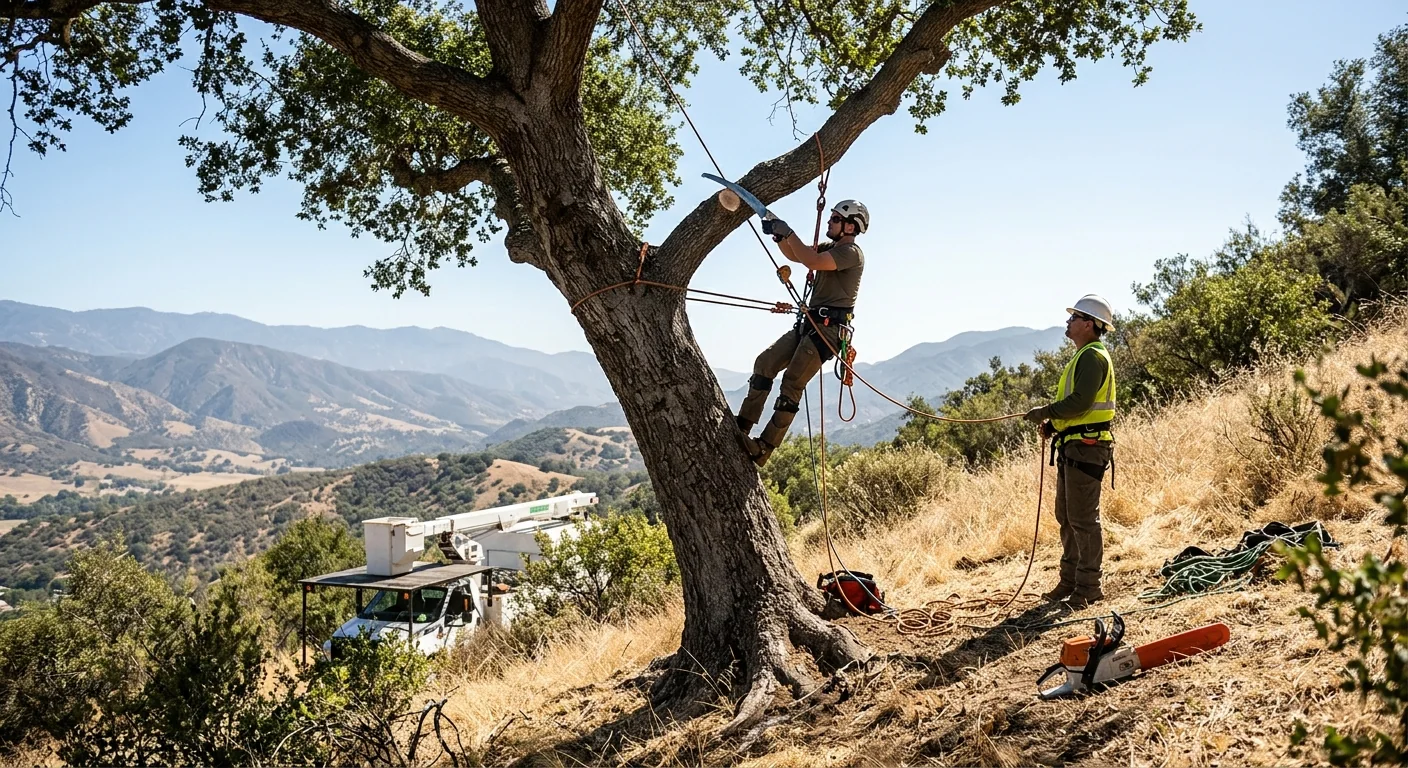
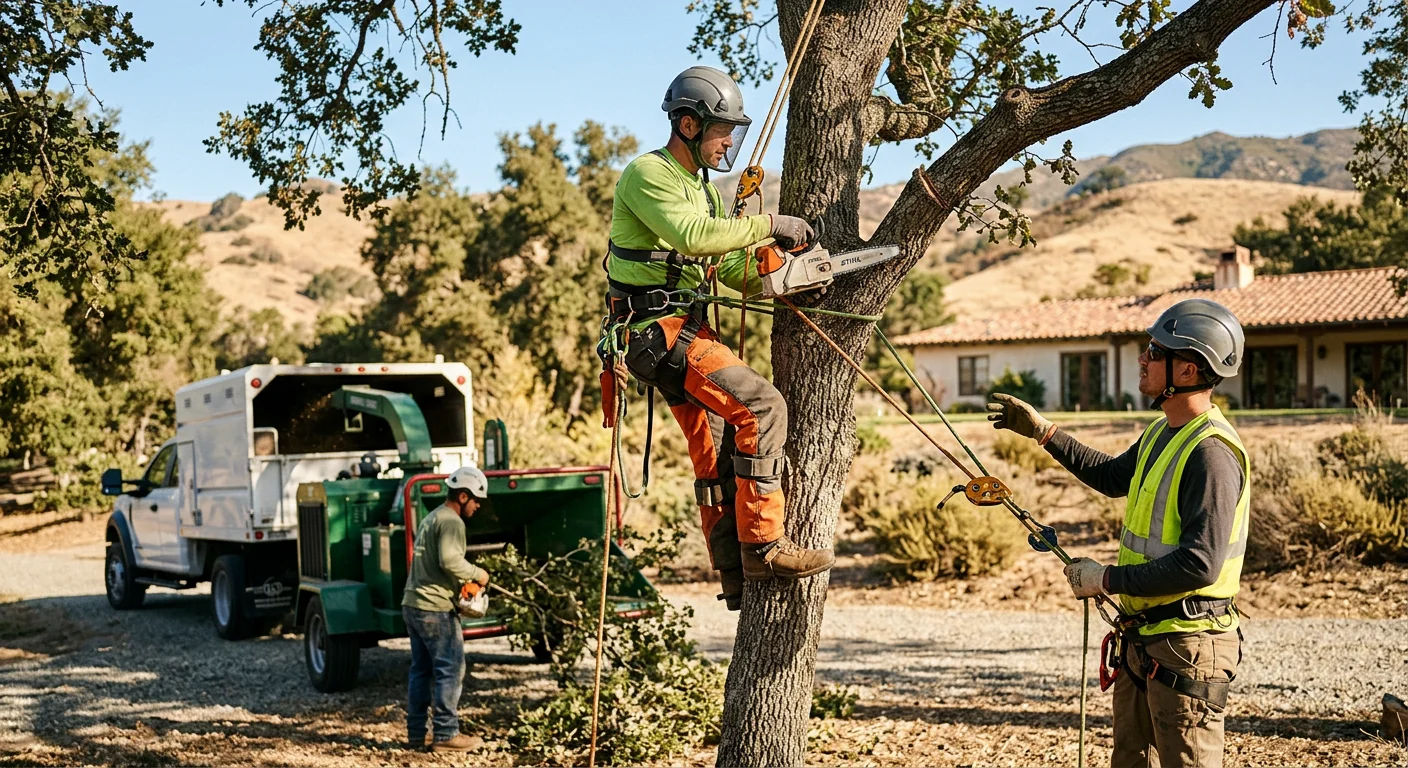
Certified arborist inspecting a mature tree during a risk assessment in Ojai